Thermoplastic Piping and Boilermaking Systems for Industrial Applications
Ask for a brochureGCER is a recognised leader in the design and manufacture of thermoplastic piping and boilermaking systems.
Our company uses in-depth expertise and cutting-edge technologies to offer robust, reliable solutions tailored to a variety of industrial needs.
We ensure optimum quality and performance, meeting the most stringent international standards.
Conception and Manufacture of Plastic Piping by GCER
GCER is a Leader in the Design and Manufacturing of Plastic Piping in Tunisia, Offering Tailored Solutions Both in the Workshop and On-Site for Clients
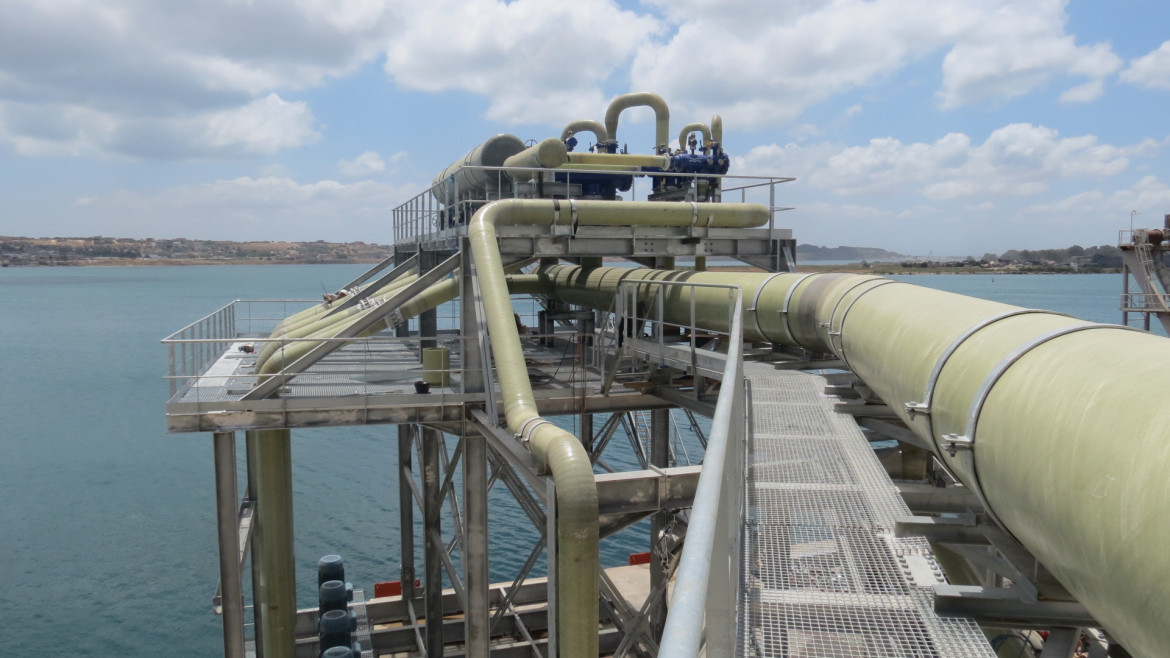
Whether for pressure networks, flow systems, or ventilation, GCER provides comprehensive solutions that meet your needs.
Manufacturing methods for plastic piping by GCER
We manufacture all types of plastic piping according to ISO standards, supplied drawings or on-site surveys. Using advanced thermoplastic technologies, we offer a range of assembly methods to ensure the durability and efficiency of our pipes :
- Gluing : a simple and effective method of joining plastic pipes, offering good resistance to leaks.
- Socket polyfusion : ensures a strong, homogeneous joint between pipes, ideal for systems subject to pressure variations.
- Butt welding : advanced technique for a permanent, robust connection, guaranteeing optimum resistance to mechanical stress.
Manufacture of Plastic Pipe Accessories by GCER
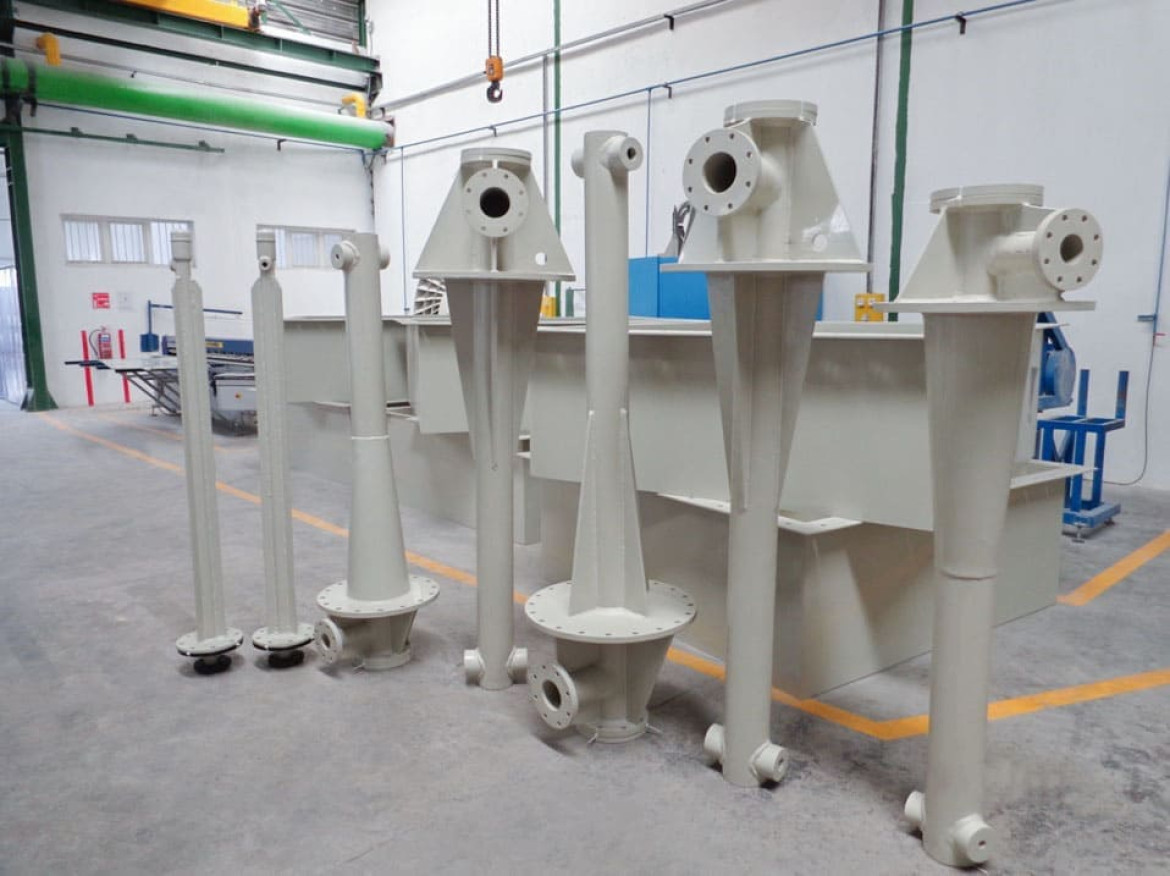
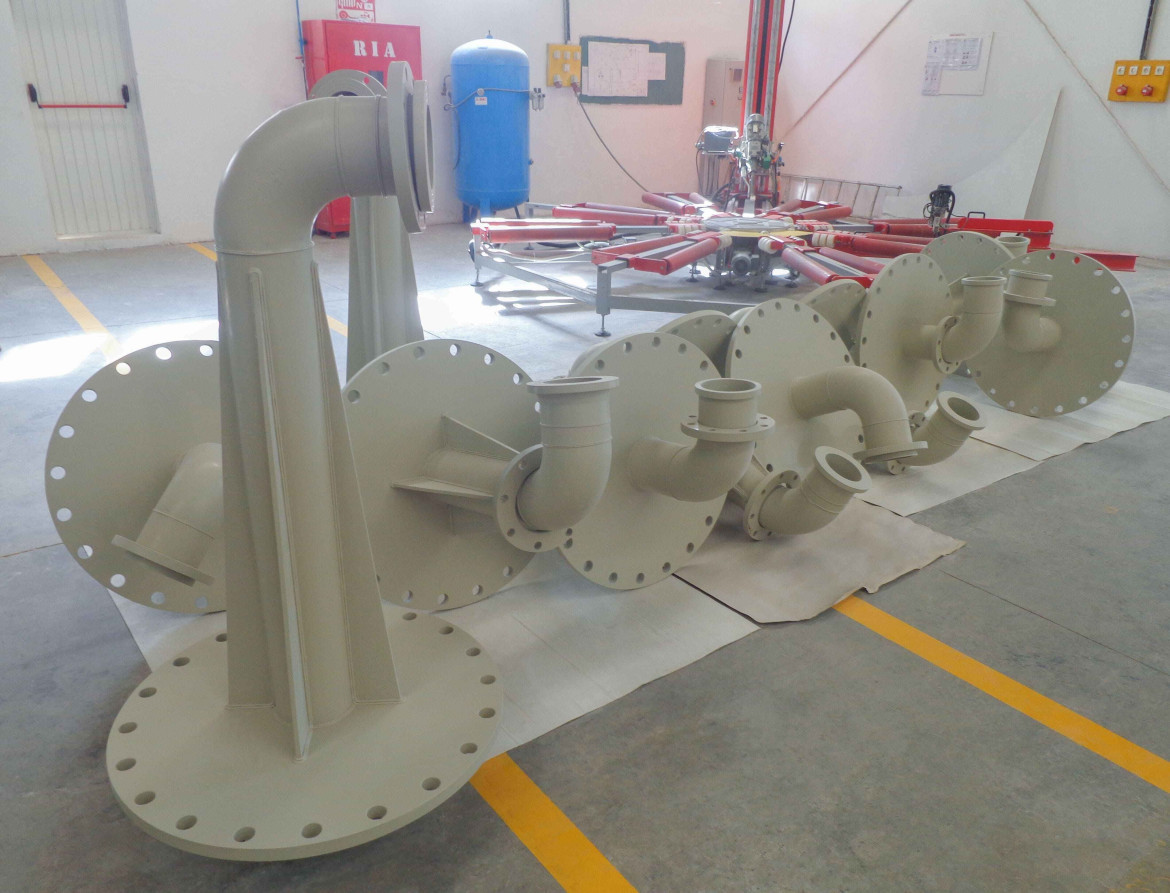
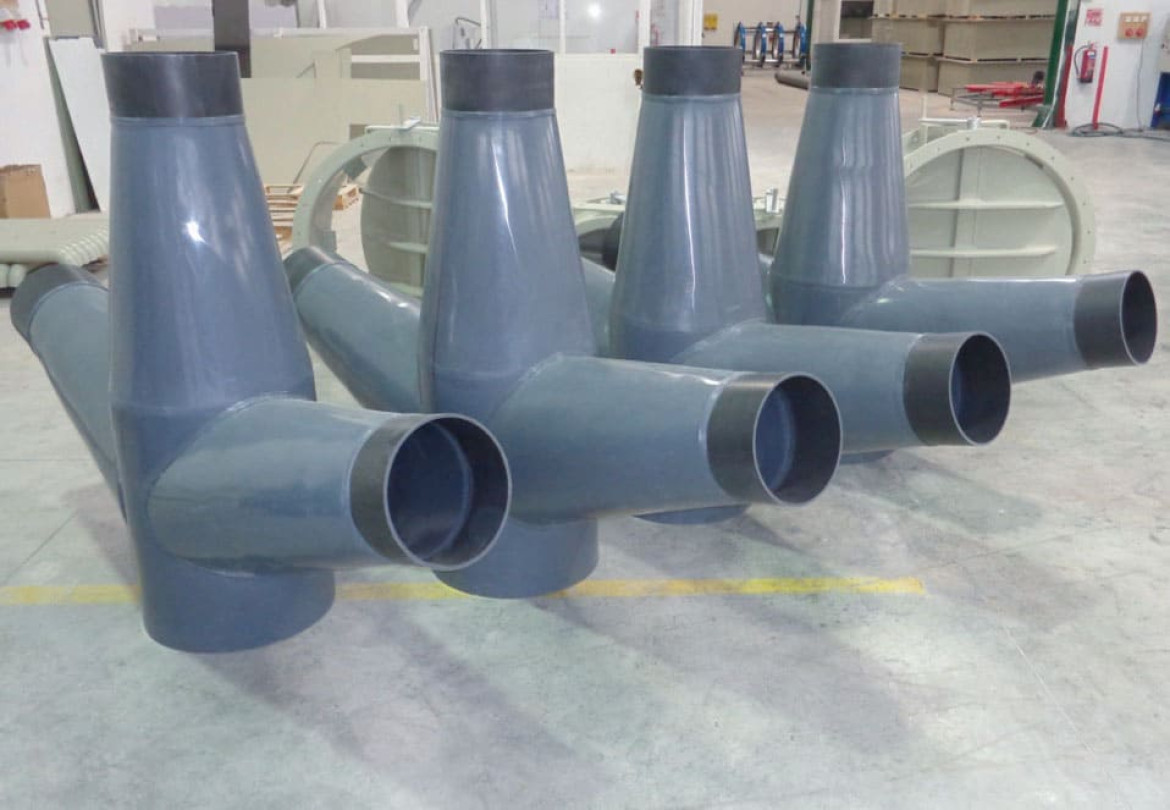
Our team also specializes in the fabrication of plastic piping accessories, customizable according to the desired material (HDPE, PPH, PVC, PVDF...). The main accessories we offer include:
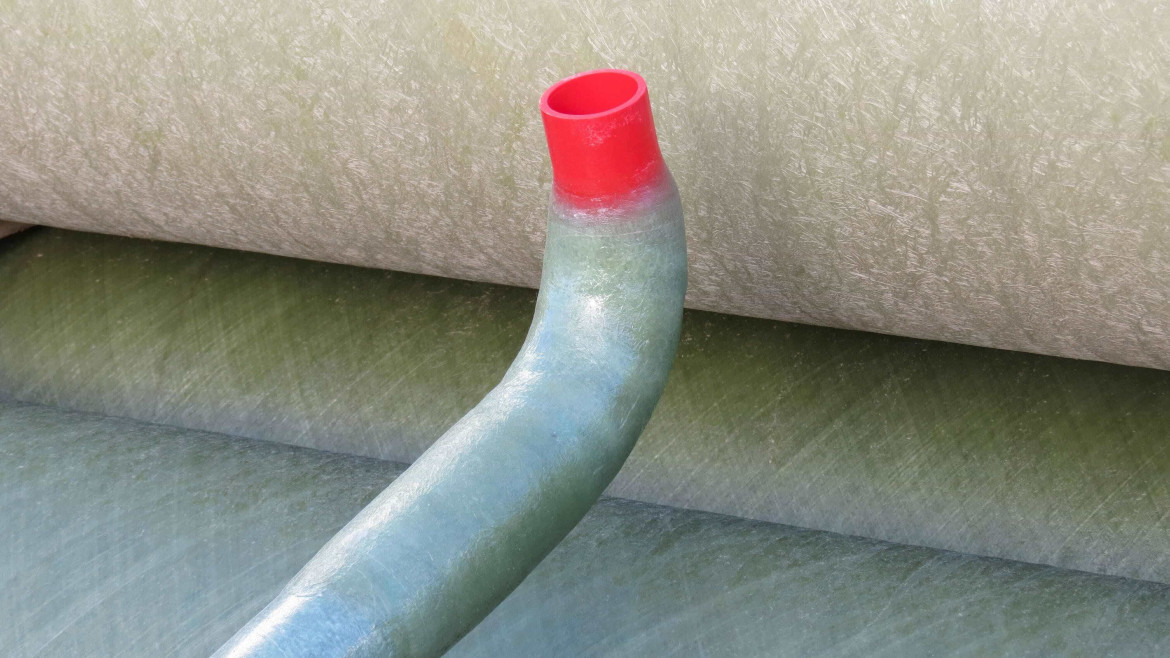
- Waterproof elbows : essential for changes of direction in pipe systems.
- Reducers : to adapt different pipe diameters.
- Transitions : for connecting different pipe materials.
- Manual or automatic registers : for flow control in piping systems.
- Collars and flanges (fixed and rotating) : to ensure a reliable and removable connection.
Conception and Manufacture of Thermoplastic boilermaking by GCER
In Addition to Piping, GCER Offers a Wide Range of Plastic Tanks, Suited for Various Industrial Applications Thanks to Their Excellent Mechanical and Chemical Properties
A Wide Range of Plastic Tanks at GCER
GCER's plastic tanks are designed to offer superior performance in a variety of conditions. We use high quality materials such as :
Polyvinyl chloride (PVC)
- Good mechanical strength, temperature range 0°C to +60°C.
- Mainly used in chrome-based applications.
Polyethylene (HDPE)
- Food-grade material, very good chemical resistance, UV treatment, temperature range from -50°C to +60°C.
- Ideal for industries requiring high chemical inertness.
Polyvinylidene fluoride (PVDF)
- Very good chemical and mechanical resistance, temperature range 0°C to +120°C.
- Used in chemically aggressive and/or high-temperature environments.
Polypropylene (PPH)
- Good chemical resistance, temperature range 0°C to +90°C (depending on tank structure and volume).
- Suitable for high-temperature applications such as surface treatment and hot water, etc.
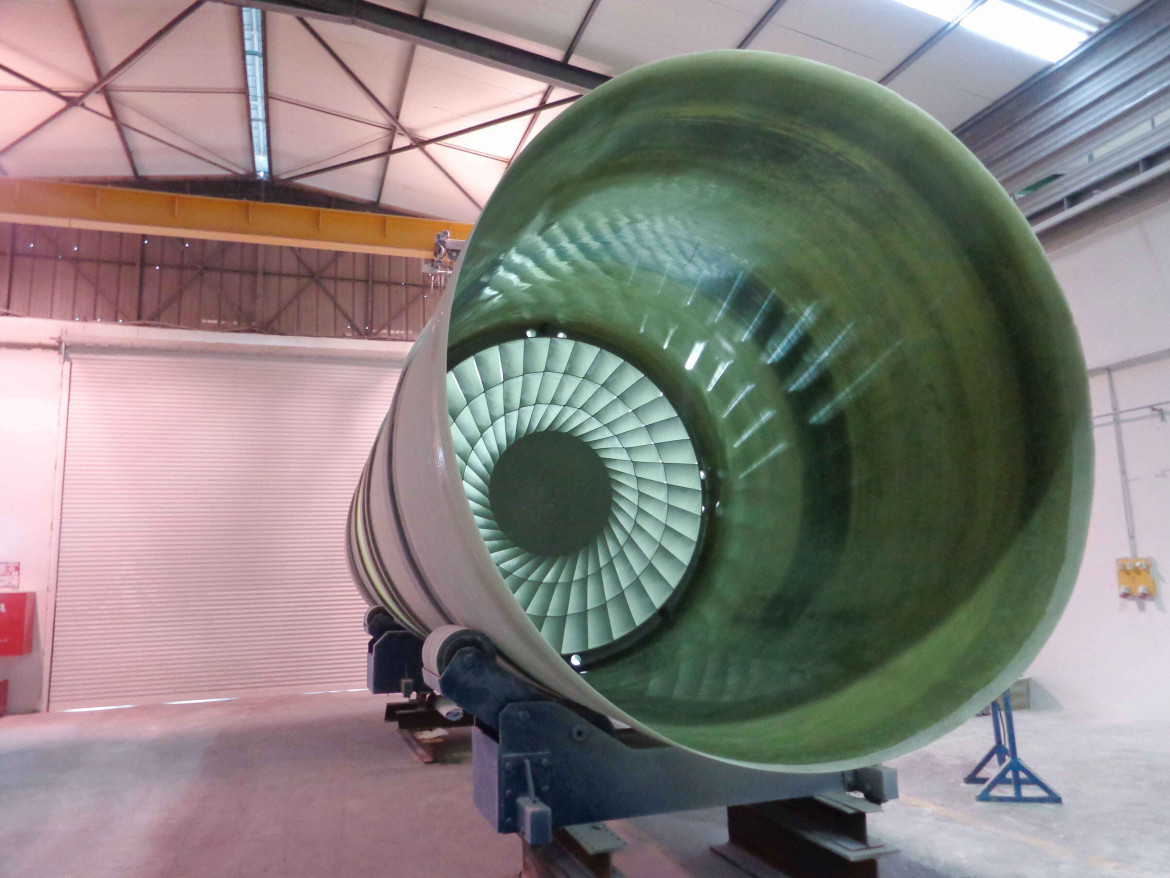
Tailor-made manufacture of plastic tanks at GCER
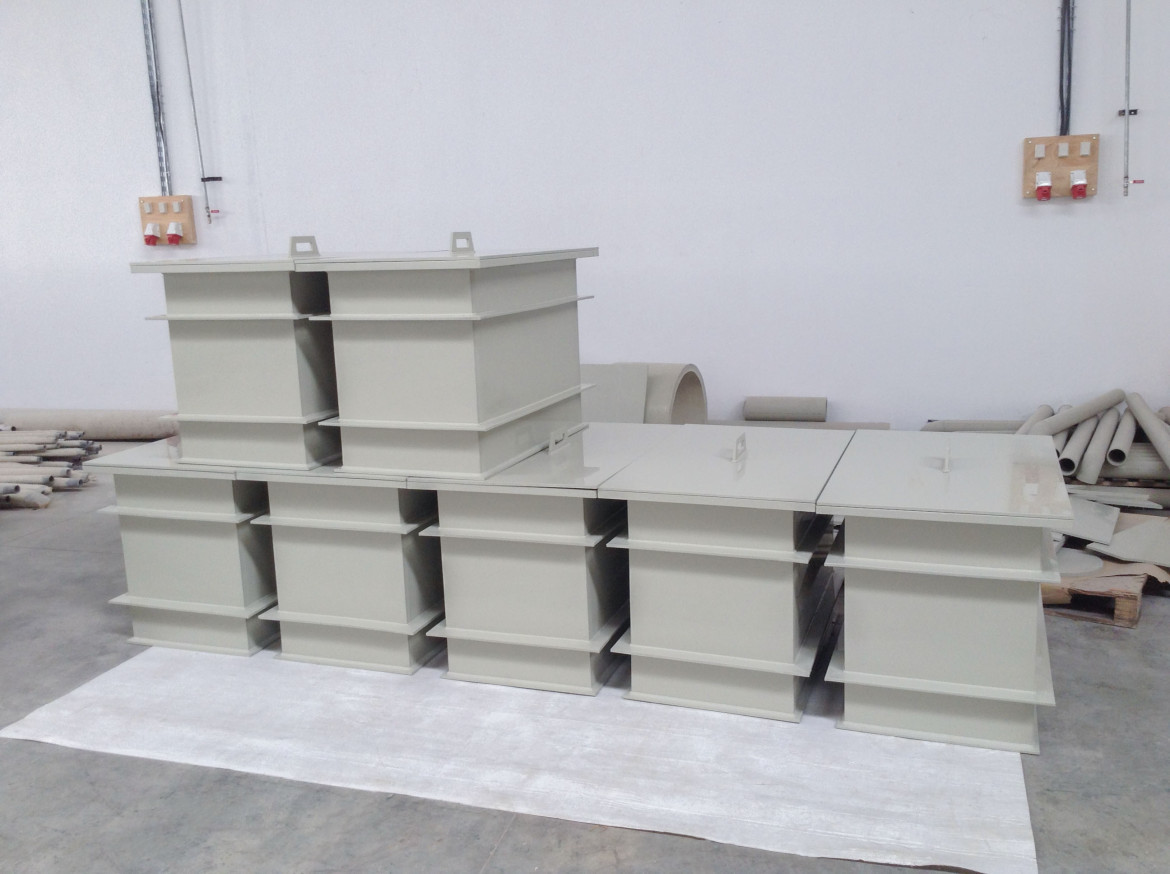
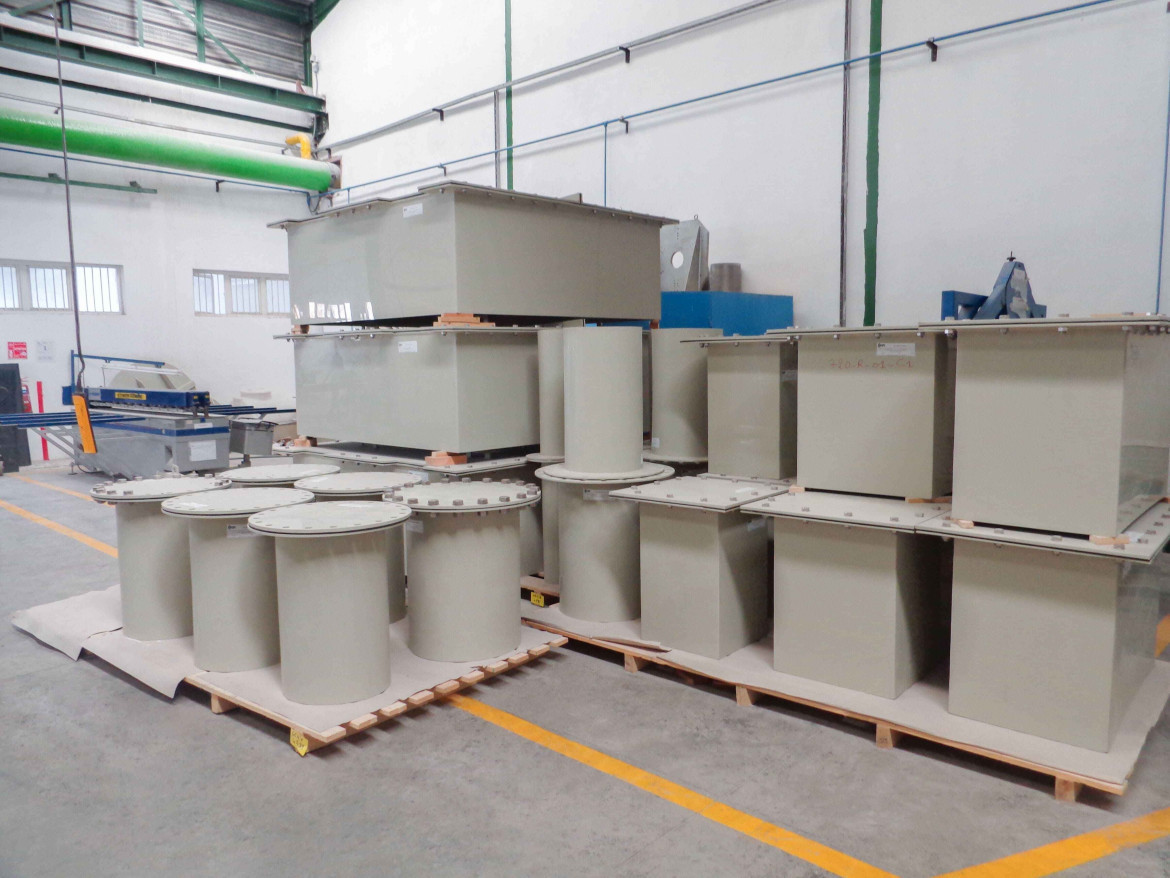
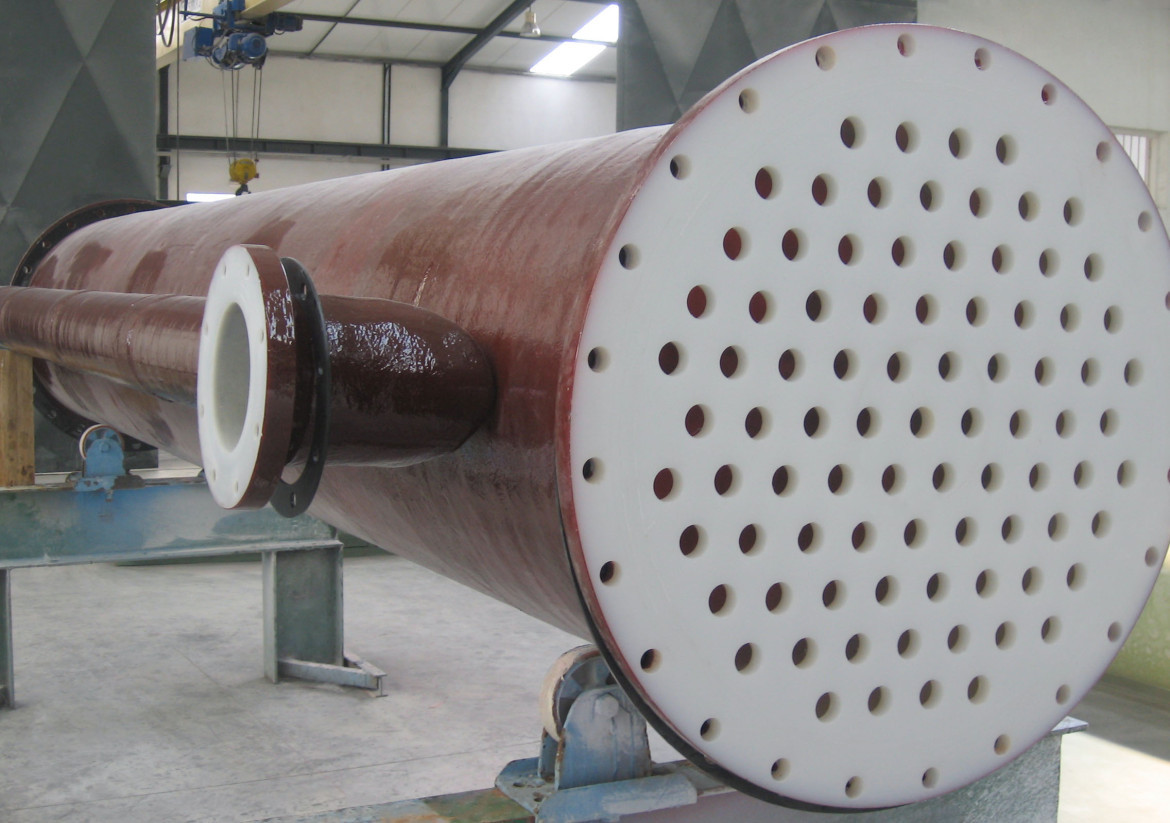
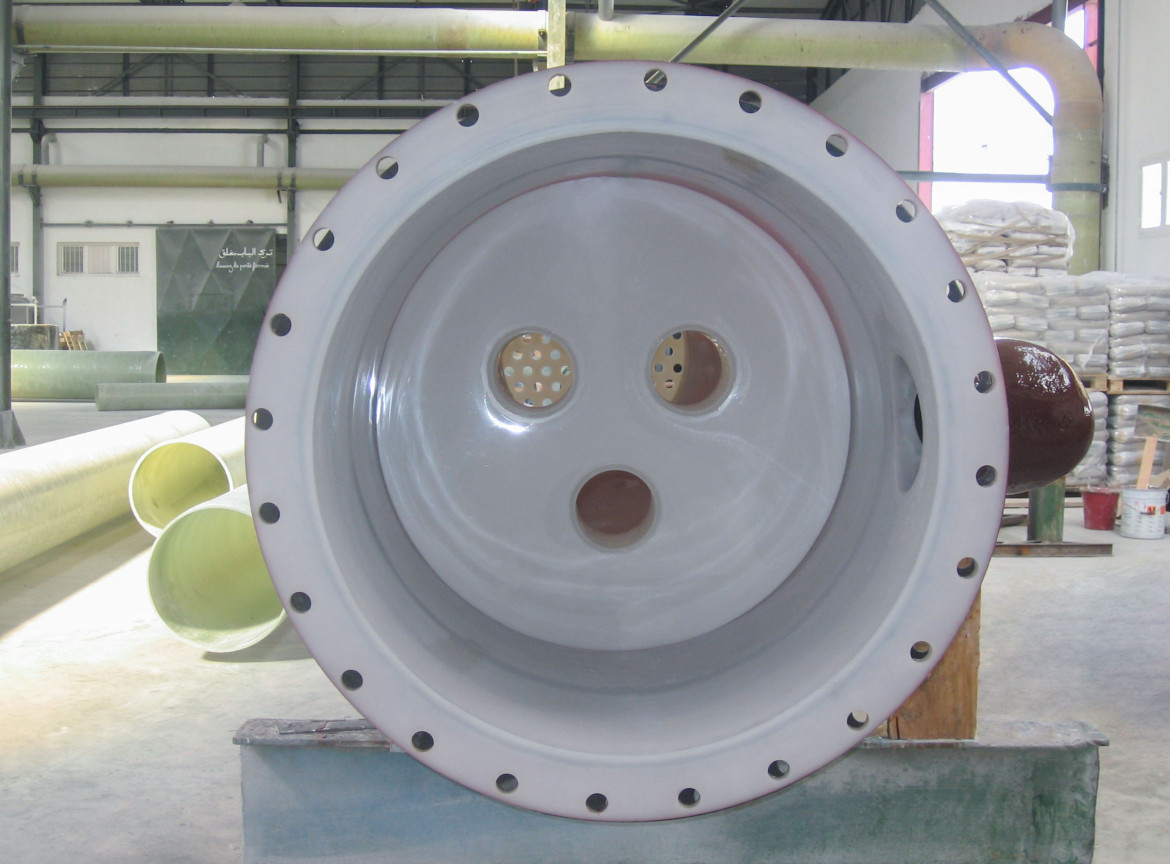
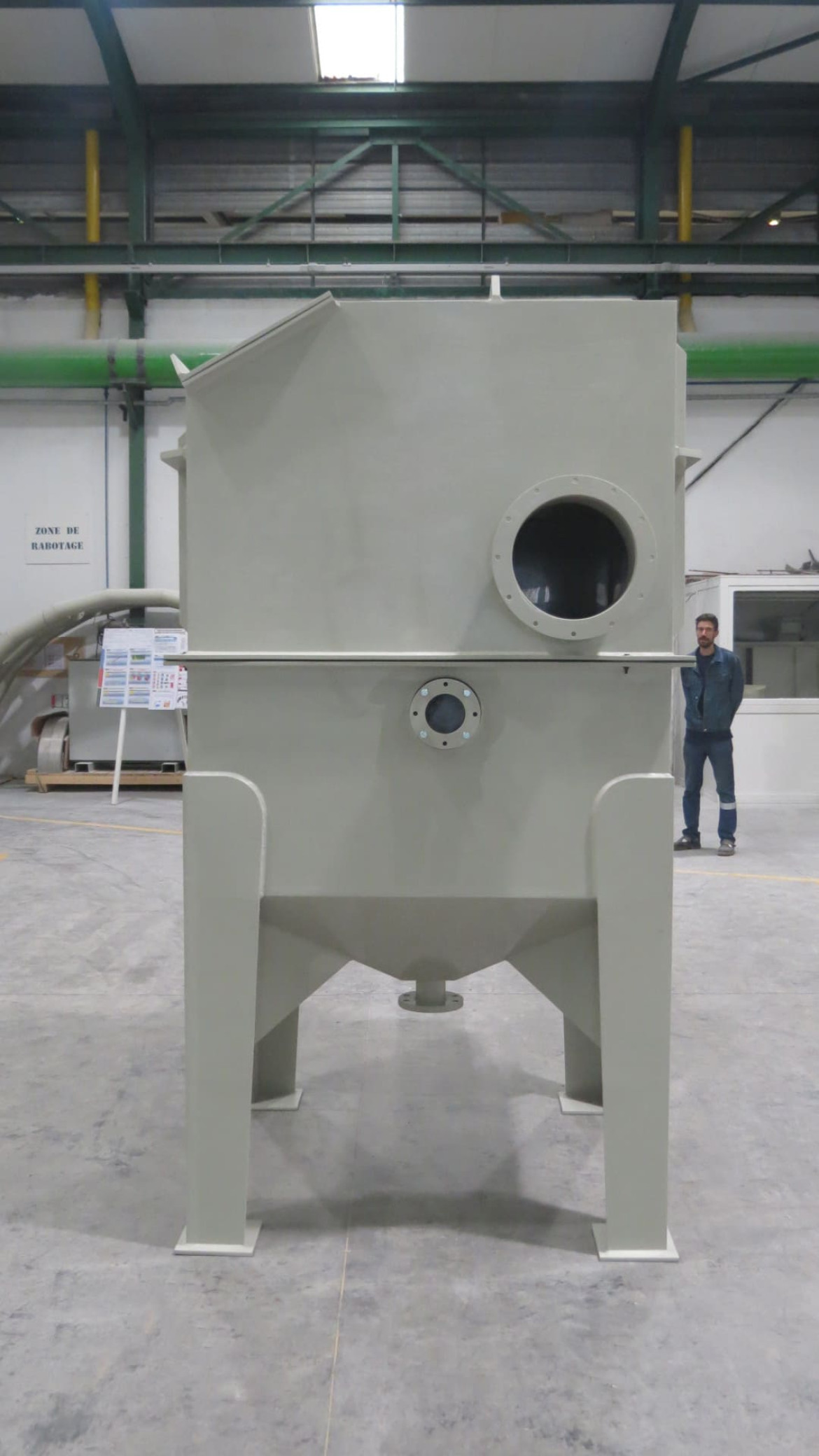
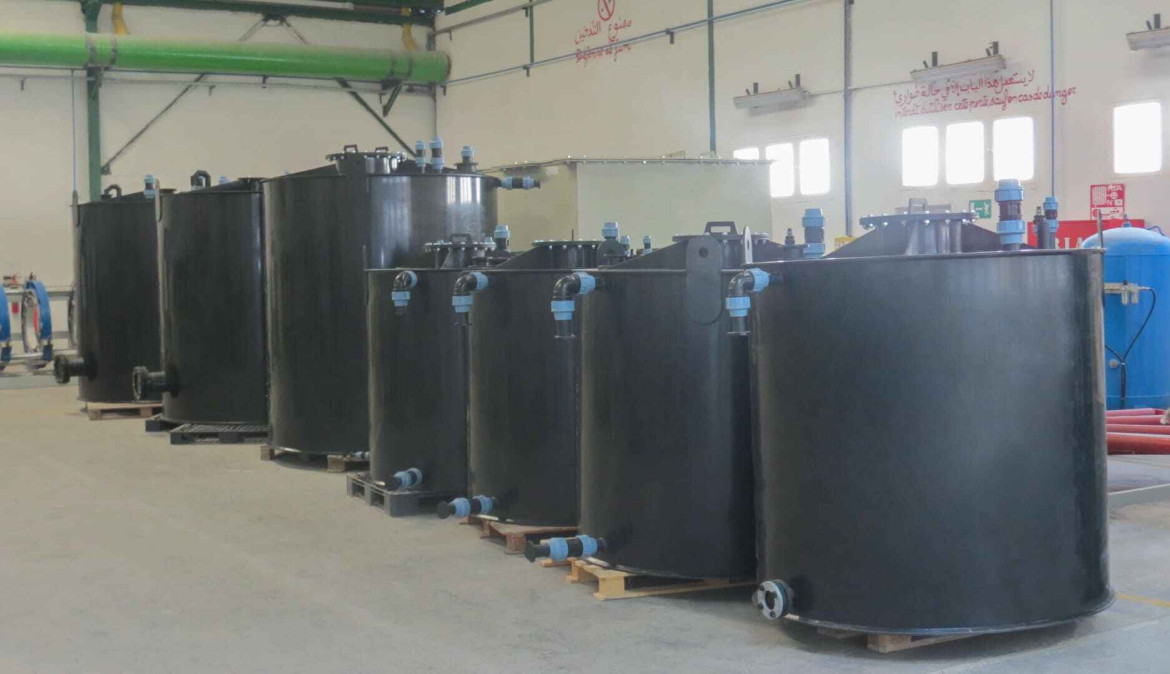
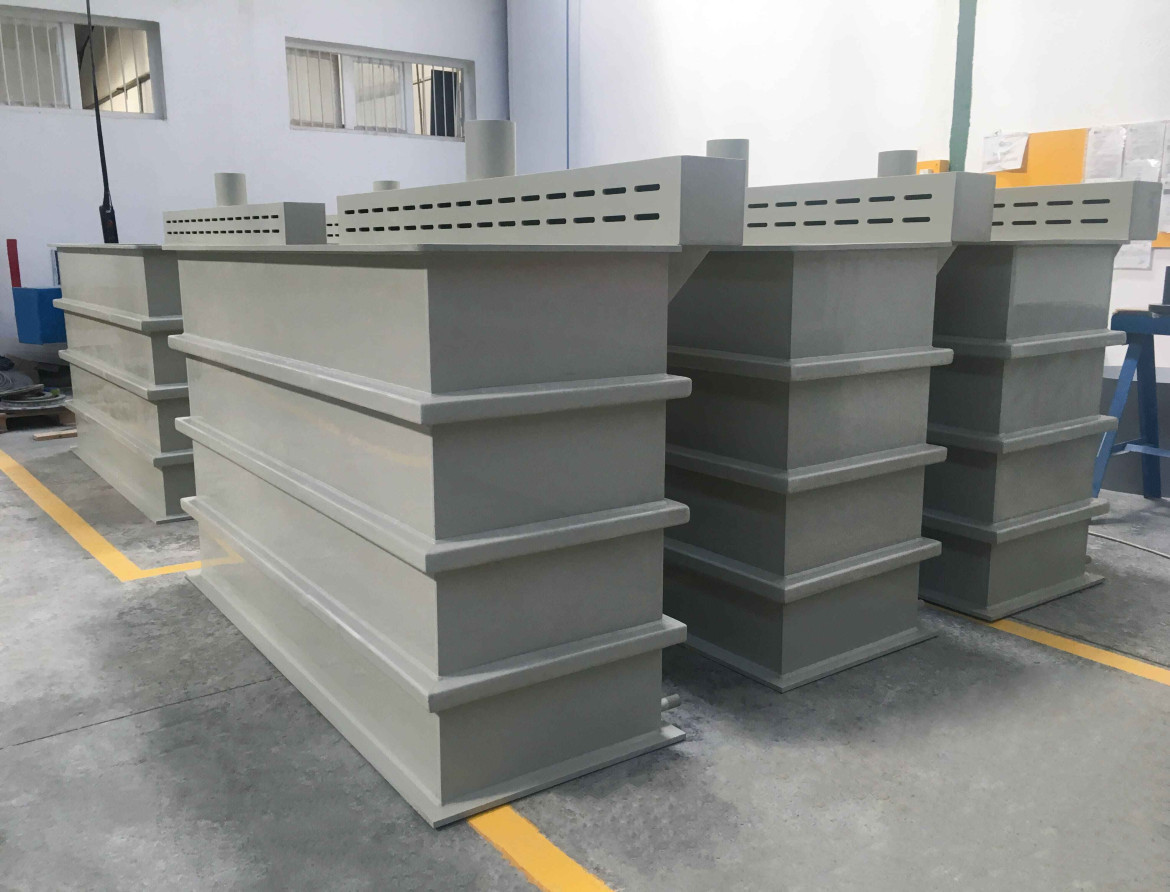
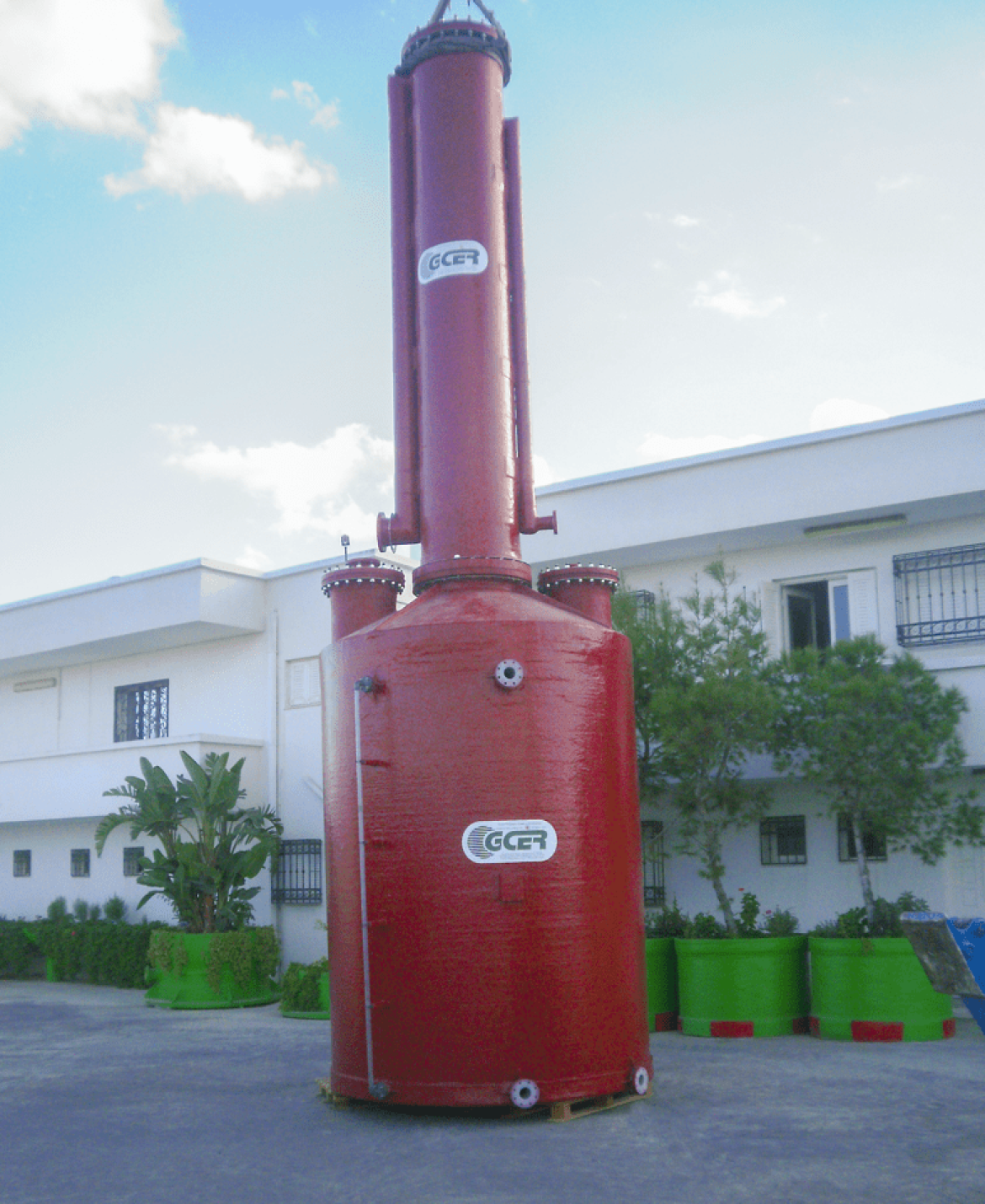
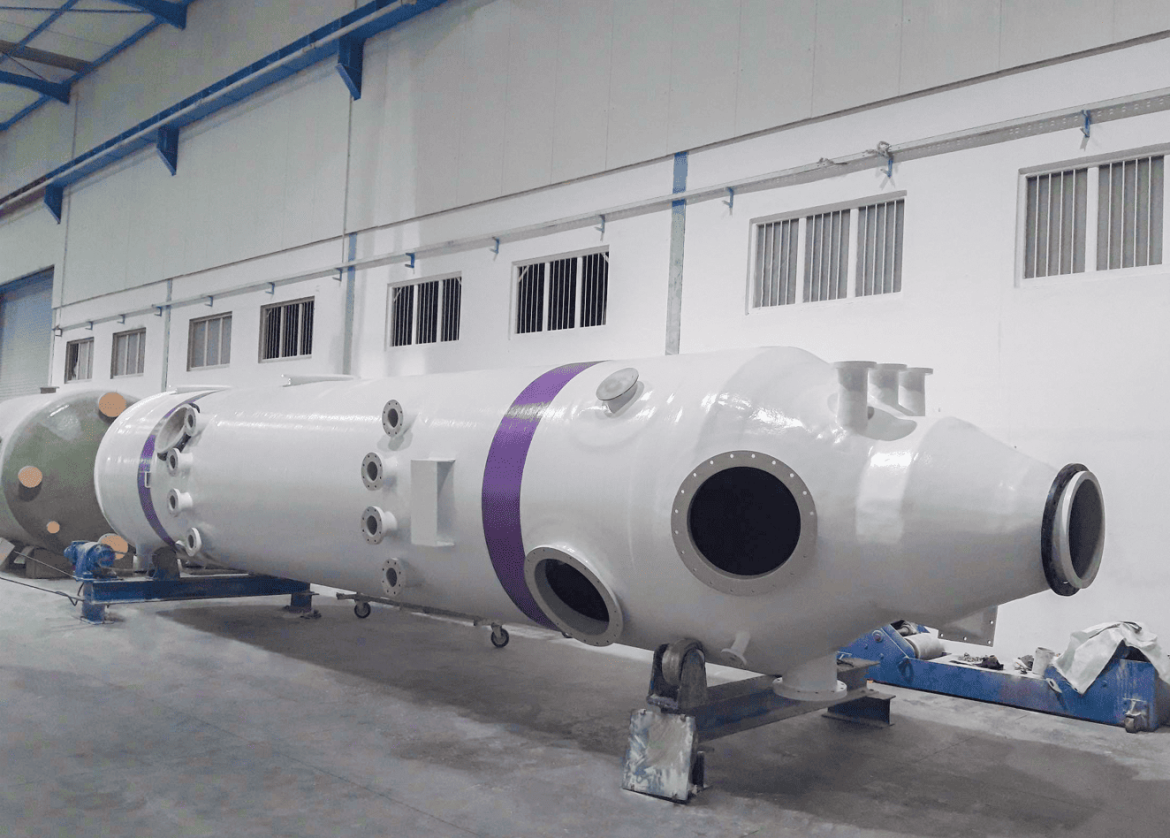
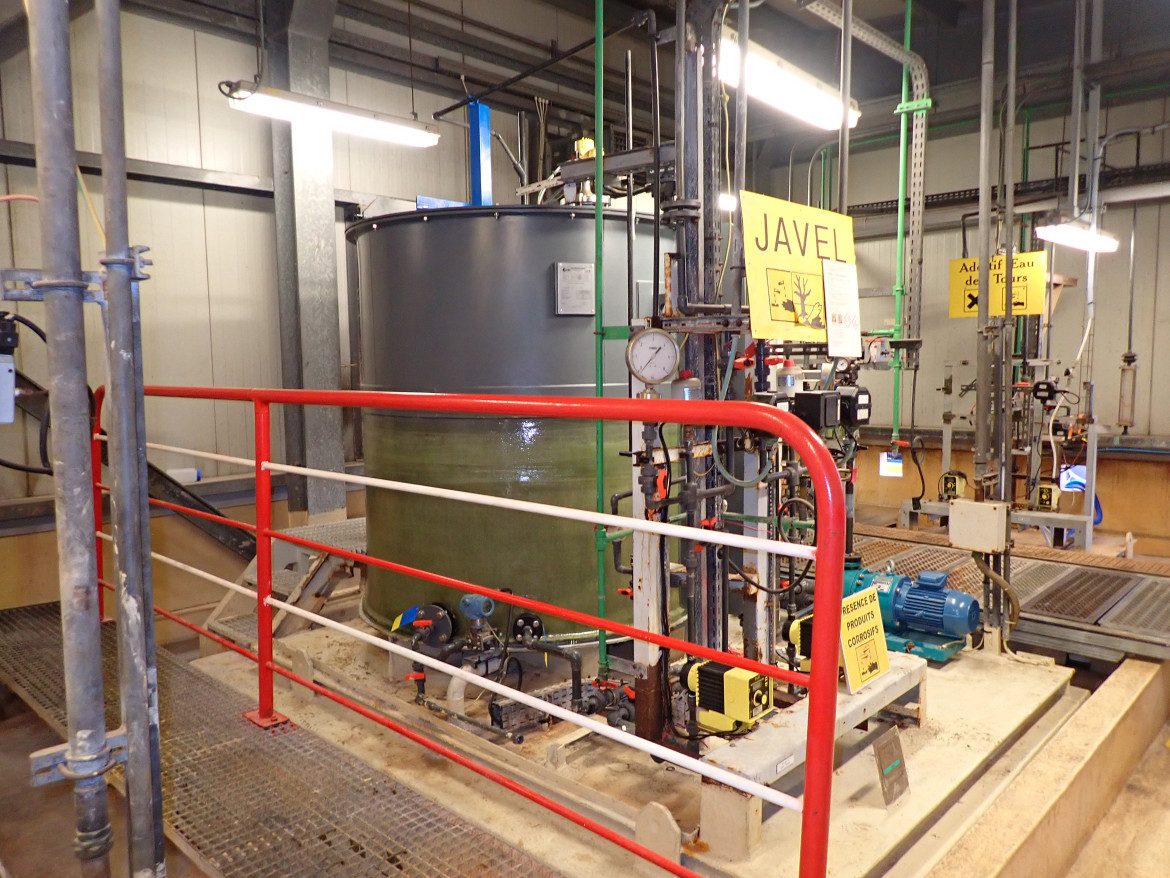
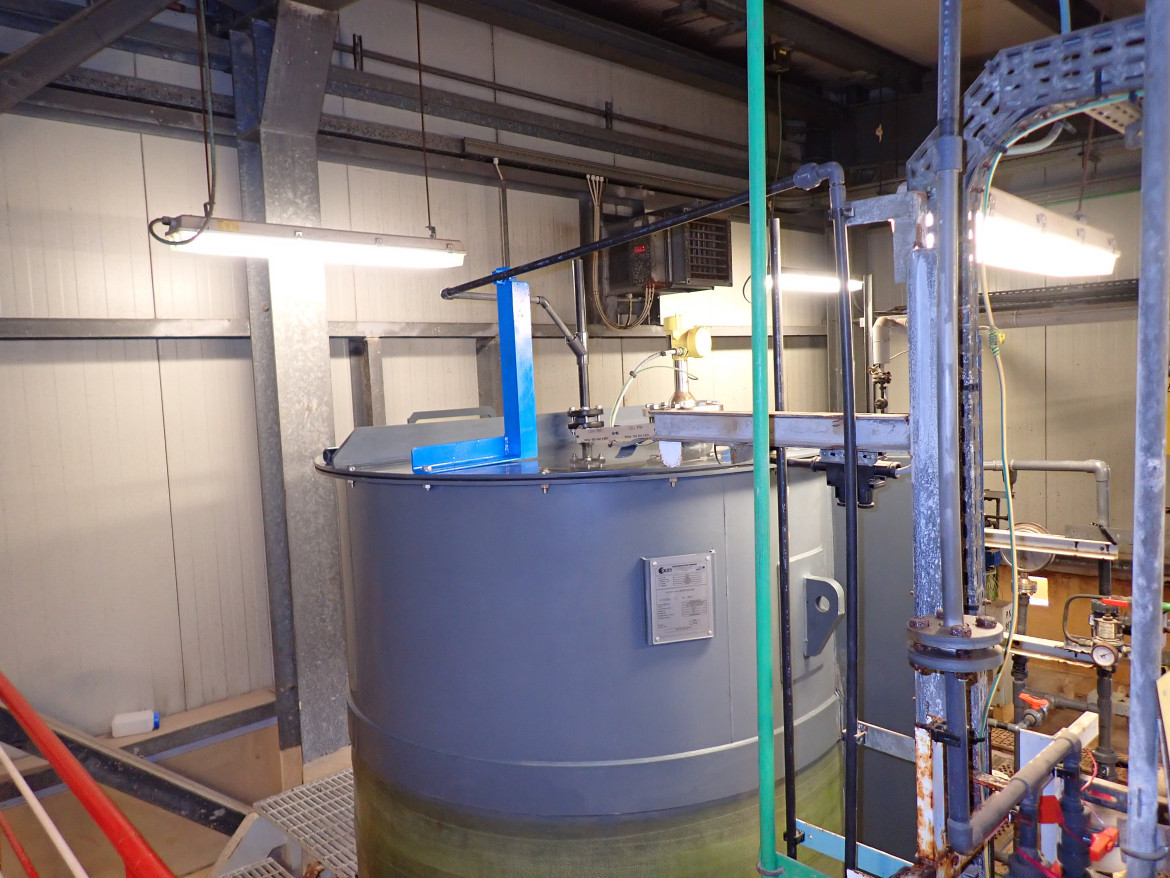
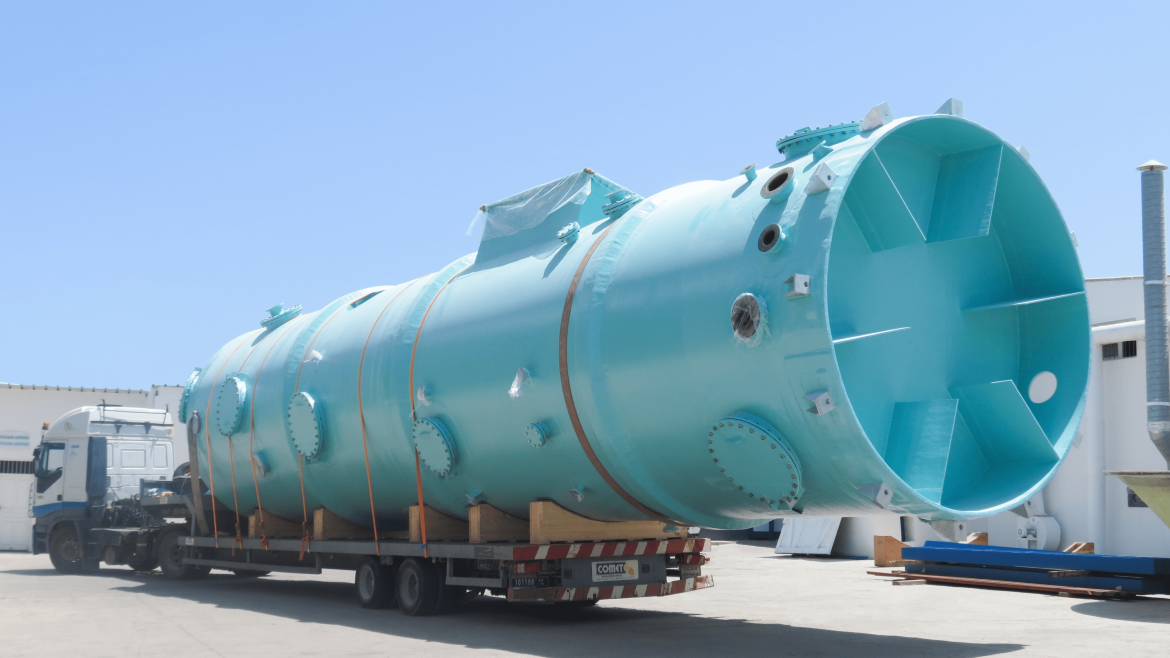
At GCER, we handle the design, manufacturing, and installation of all types of plastic tanks, including HDPE, PPH, PVC, PVDF, PVC-C, ECTFE, and PFA. We create tanks based on blueprints or custom designs to meet specific liquid storage needs, with various possible configurations (cylindrical, rectangular, flat-bottomed, sloped, or conical).
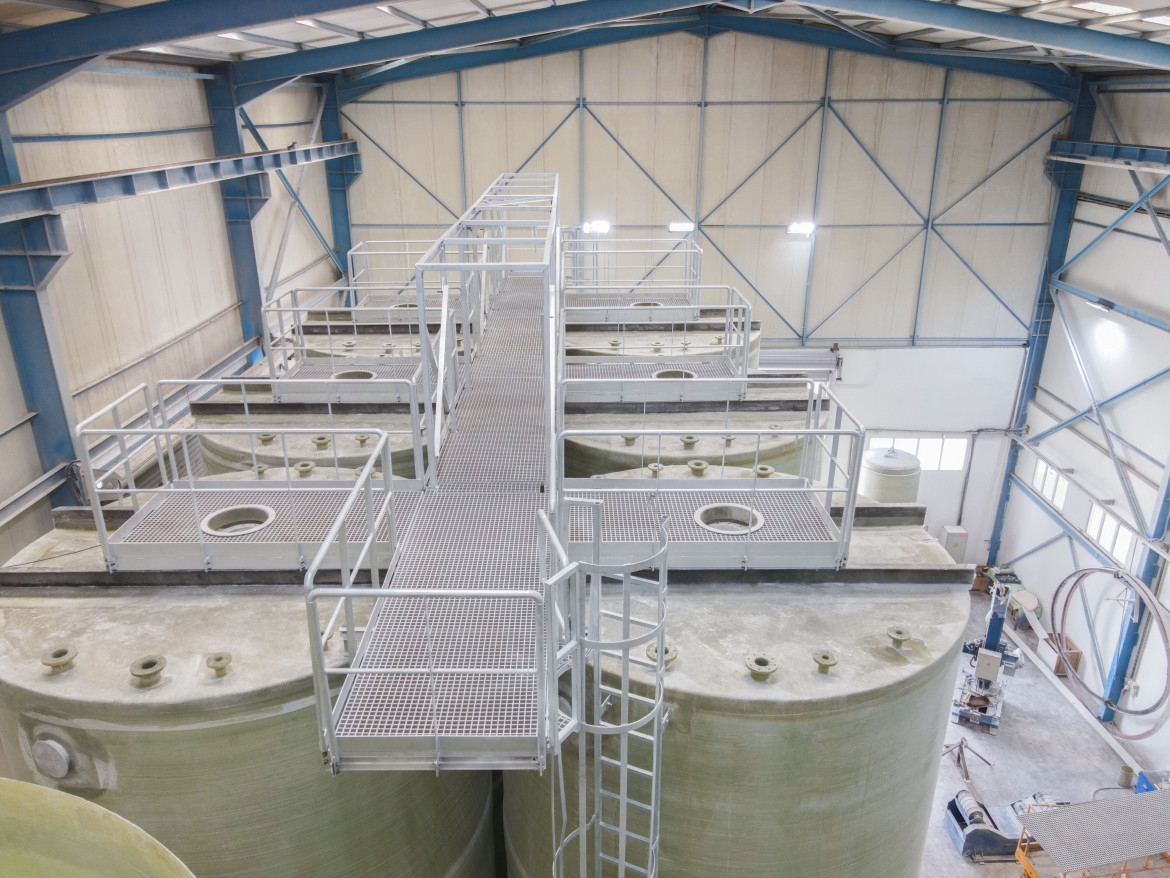
Our tanks can be equipped with multiple options to meet your specific requirements: nozzles, level indicators, probes, manholes, vents, walkways with corrosion-resistant grating, and ladder supports.
We also ensure that the design and sizing comply with NF EN 12573 and DVS 2205 standards, providing detailed plans, calculation sheets, and test certificates upon request.
Tailored Solutions for Plastic Tanks by GCER
Whether you have a specific idea or a detailed plan, GCER can create tanks tailored for the storage of non-corrosive or corrosive liquids with existing retention. Our standard products cover volumes from 1 to 30m³, but our production capacity allows us to manufacture custom-sized plastic tanks without significant additional costs.
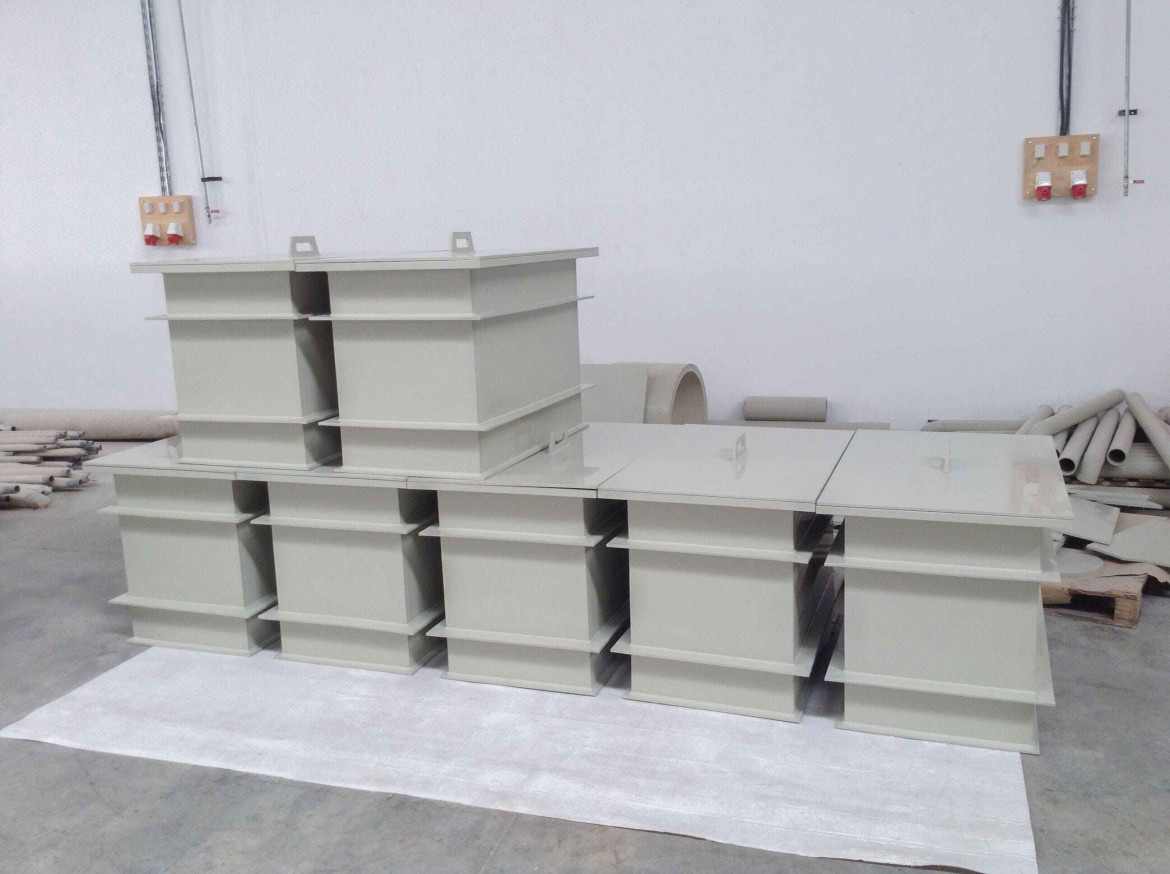
We also produce plastic storage containers, often used in surface treatment industries. Our custom solutions ensure a perfect fit for each client's specific needs, guaranteeing optimal performance and long-lasting durability.
we're here to help
Show AllYes, we specialize in custom design. Our engineers work collaboratively with our customers to develop solutions tailored to their requirements.
GCER is located in Ksibet Sousse, Tunisia, specifically on Route de Thrayet. For any information requests, you can contact us : By phone: +216 73 238 960 / +216 70 015 590 By email: commercial@gcertunisie.tn Or directly via our online contact form: https://gcertunisie.com/demande-de-contact
To obtain a quote, please fill out the quote request form on our website or contact our sales team directly by email at the following address : commercial@gcertunisie.tn We will respond as soon as possible.
GCER is certified: ✅ ISO 9001:2015 – Quality management systems ✅ ISO 14001:2015 – Environmental management systems ✅ ISO 45001:2018 – Occupational health and safety management systems ✅ MSI (Materials, Systems, Installations) – Technical certification guaranteeing the compliance of products and processes with specific sector requirements ✅ Authorized Economic Operator (AEO) – Customs recognition attesting to the reliability of the company in the international supply chain These certifications demonstrate GCER's commitment to quality, safety, regulatory compliance, and customer satisfaction, while ensuring reliable, sustainable, and certified solutions.
Yes, we offer an assembly service for all our equipment. Our technical team ensures that assembly complies with standards, guaranteeing optimal installation and reliable operation of your products.
Manufacturing and delivery times depend on the project. We are committed to providing you with fast solutions tailored to our customers' needs.
At GCER, the manufacturing process involves several steps : 1. Research and design : We begin by studying each customer's specific needs in order to design tailored solutions. 2. Manufacturing : The equipment is manufactured in our workshops. 3. Quality control : We check the compliance of each piece of equipment during manufacturing. 4. Testing : Each piece of equipment is tested before delivery. 5. Delivery : The equipment is delivered to the project site on schedule. 6. On-site installation : Our teams install the equipment on site quickly and efficiently.
At GCER, we offer comprehensive solutions for your industrial projects, taking care of every step from design to commissioning. With us, you benefit from a single partner who ensures optimal coordination, on-time delivery, and consistent quality. Our solutions are tailored to your specific needs, backed by our expertise and rigorous monitoring. Contact us today for your industrial projects.
GCER operates in various sectors, including : • Water and water desalination • Wastewater • Chemicals • Agri-food • Energy • Mining • Oil • Environment • Industrial processes
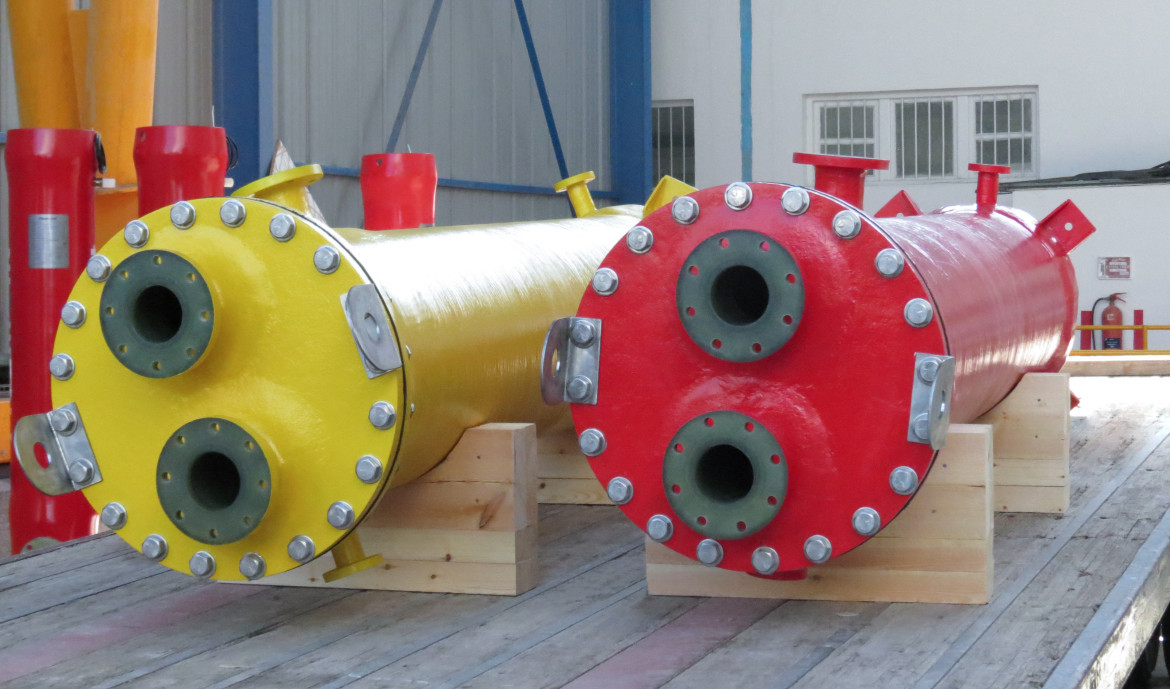
GCER specializes in : • Composite materials (GRP) • Thermoplastics such as HDPE, PVC, PPH, PVDF, PVC-C, ECTFE, and PFA • Metal construction
To find out if thermoplastic or GRP equipment has reached the end of its service life, check for : • Cracks or deformations. • Loss of resistance to stress. • Leaks or damaged seals. • Reduced performance after testing or inspections. It is important to follow the manufacturer's recommendations and carry out regular checks.
GRP (Glass Reinforced Polyester) is generally more expensive than thermoplastics. This difference is due to a more complex manufacturing process and the use of reinforced materials. However, GRP offers better mechanical and chemical resistance, making it ideal for demanding applications.
Thermoplastics are polymer materials that become flexible when heated and regain their rigidity when cooled. This reversible process allows them to be shaped, welded, and recycled. They are widely used in the manufacture of pipes, tanks, ducts, and other industrial equipment.
GCER uses a wide range of high-quality thermoplastic materials, such as: • HDPE (High-Density Polyethylene) • PVC (Polyvinyl Chloride) • PPH (Homopolymer Polypropylene) • PVDF (Polyvinylidene Fluoride) • PVC-C (Chlorinated Polyvinyl Chloride) • ECTFE (Ethylene Chlorotrifluoroethylene) • PFA (Perfluoroalkoxy)
Thermoplastic equipment offers many advantages : • Excellent chemical resistance : ideal for corrosive and aggressive environments • Lightweight : simplifies handling and installation and reduces transport costs • Increased durability : long service life, even in extreme conditions • Low thermal conductivity : limits heat loss and improves safety • Reduced maintenance : requires little maintenance thanks to its chemical inertness • Design flexibility : allows for customized solutions tailored to each application • Food compatibility (depending on materials) : complies with food industry health standards • UV and moisture resistance : suitable for outdoor installations
Yes, thermoplastics are recyclable. Unlike thermosets, thermoplastics can be melted and reshaped several times without significantly altering their properties. This allows them to be recovered and reused in new products, making them a more environmentally friendly material when properly sorted and processed in a suitable recycling stream.
Thermoplastic equipment can last between 20 and 50 years. This depends on several factors, such as environmental conditions, usage, maintenance, and the type of material used (for example, PFA, HDPE, etc.).
The most expensive material is PFA (Perfluoroalkoxy). This material is particularly high-end, offering exceptional resistance to chemicals and very high temperatures.