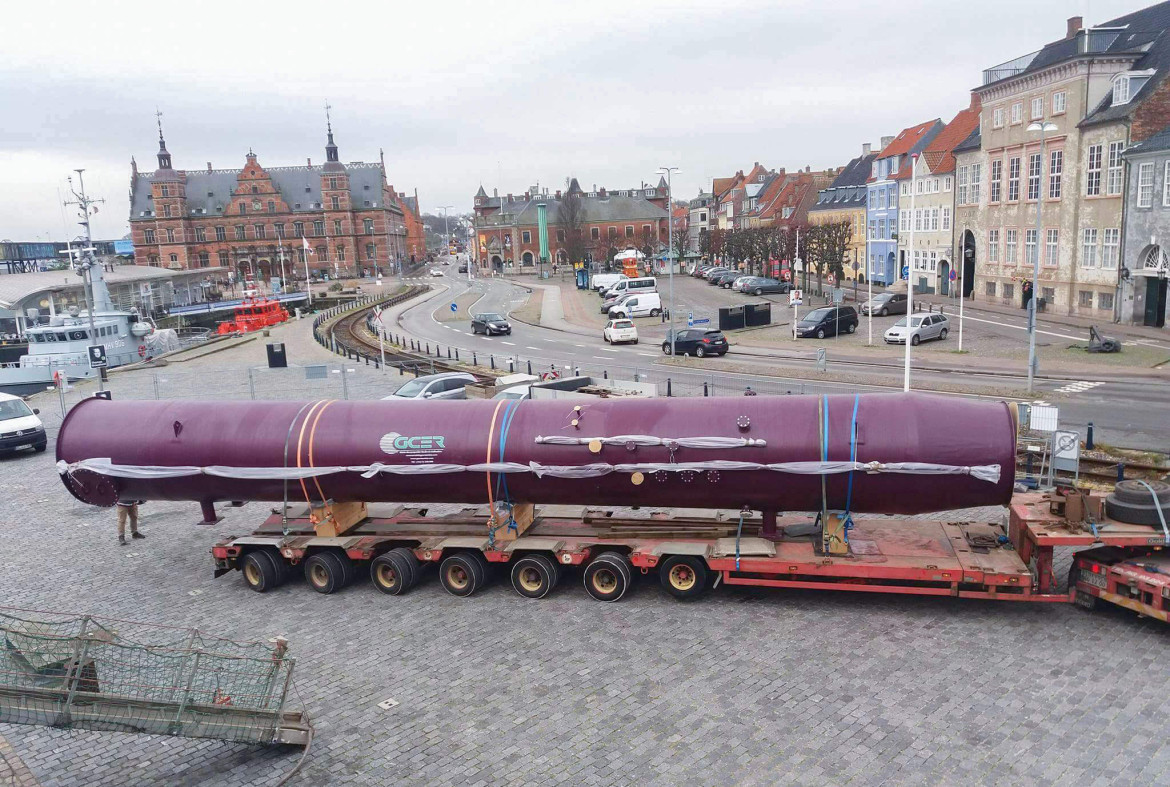
Thermoplastic equipment can last between 20 and 50 years. This depends on several factors, such as environmental conditions, usage, maintenance, and the type of material used (for example, PFA, HDPE, etc.).
The most expensive material is PFA (Perfluoroalkoxy). This material is particularly high-end, offering exceptional resistance to chemicals and very high temperatures.
Metal construction is a building process that primarily uses steel as a structural material. It involves assembling metal elements such as frames. This type of construction is valued for its strength, durability, speed of implementation, and ability to create large-span structures, such as industrial warehouses.
GCER manufactures various types of metal construction, including : • Steel structures : Solid structures for industrial buildings • Ladders with cage for safe access at height • Platforms, handrails and stairs : solutions for safety and movement on site • Pipe supports and racks : for organizing and maintaining pipes • Steel skids : structures for supporting, transporting, and installing complete equipment in a single unit
Metal construction can be more expensive than concrete in terms of initial costs, as metal materials and specialized labor can be more costly. However, metal offers advantages such as lightness, speed of assembly, and better resistance in certain environments, which can reduce other costs in the long term, particularly for maintenance and durability. The choice between metal and concrete will depend on project specifications, conditions of use, and long-term performance criteria.
Yes, at GCER, we frequently combine metal with other materials. For example, when building a platform, combining a metal structure with GRP grating provides a lightweight, durable, and corrosion-resistant solution, while also facilitating installation and optimizing safety.
When galvanized or painted, metal structures require little maintenance. A simple periodic inspection is sufficient to check the condition of the protective coating and ensure the durability of the structure. In the event of damage, minor repairs are usually sufficient to keep the structure in good condition for many years.
A membrane housing is an essential component in membrane filtration systems, used to protect, maintain, and optimize the functioning of filtration membranes. This advanced technology effectively separates unwanted substances in liquids, such as oils, suspended solids, organic matter, and metals, using semi-permeable membranes. In these filtration systems, the membrane housing performs a crucial role in ensuring smooth and controlled liquid flow while maintaining stable internal pressure. It also prevents external contamination, thereby guaranteeing the integrity of the membranes and the efficiency of the filtration process.
Membrane housing are used in many industrial sectors, including : • Wastewater and drinking water treatment : used in wastewater treatment and desalination plants to ensure watertightness and durability in corrosive environments. • Chemical industry : to provide an effective barrier against aggressive chemicals and prevent leaks. • Pharmaceutical industry : to maintain sterile environments and control fluid flows safely. • Agri-food : to ensure hygiene, product safety, and ease of cleaning. • Energy and environment : used in industrial facilities and pollution control systems requiring high mechanical and chemical resistance. • Petrochemical industry : for applications with demanding pressure, temperature, and corrosion resistance requirements.
The membrane housing is used because it offers many important advantages in a filtration system : • Membrane protection: It protects the filtration membranes from external contaminants, extending their service life and ensuring their performance. • Pressure control: It regulates the pressure within the filtration system, which is essential for optimal membrane operation. • Effective separation: The membrane housing ensures high-precision separation of unwanted substances, enabling high levels of liquid purification. • Reliability and safety: Membrane housings are designed to withstand high pressures and demanding environments, providing a robust and durable solution.